Locations
Jordan
Rose-red ruins, desert canyons, and hill towns
Jordan runs from the Roman ruins of Amman through the sandstone canyons of Petra to the open desert of Wadi Rum — a country where ancient and natural landscapes sit close together, within a few hours’ drive.
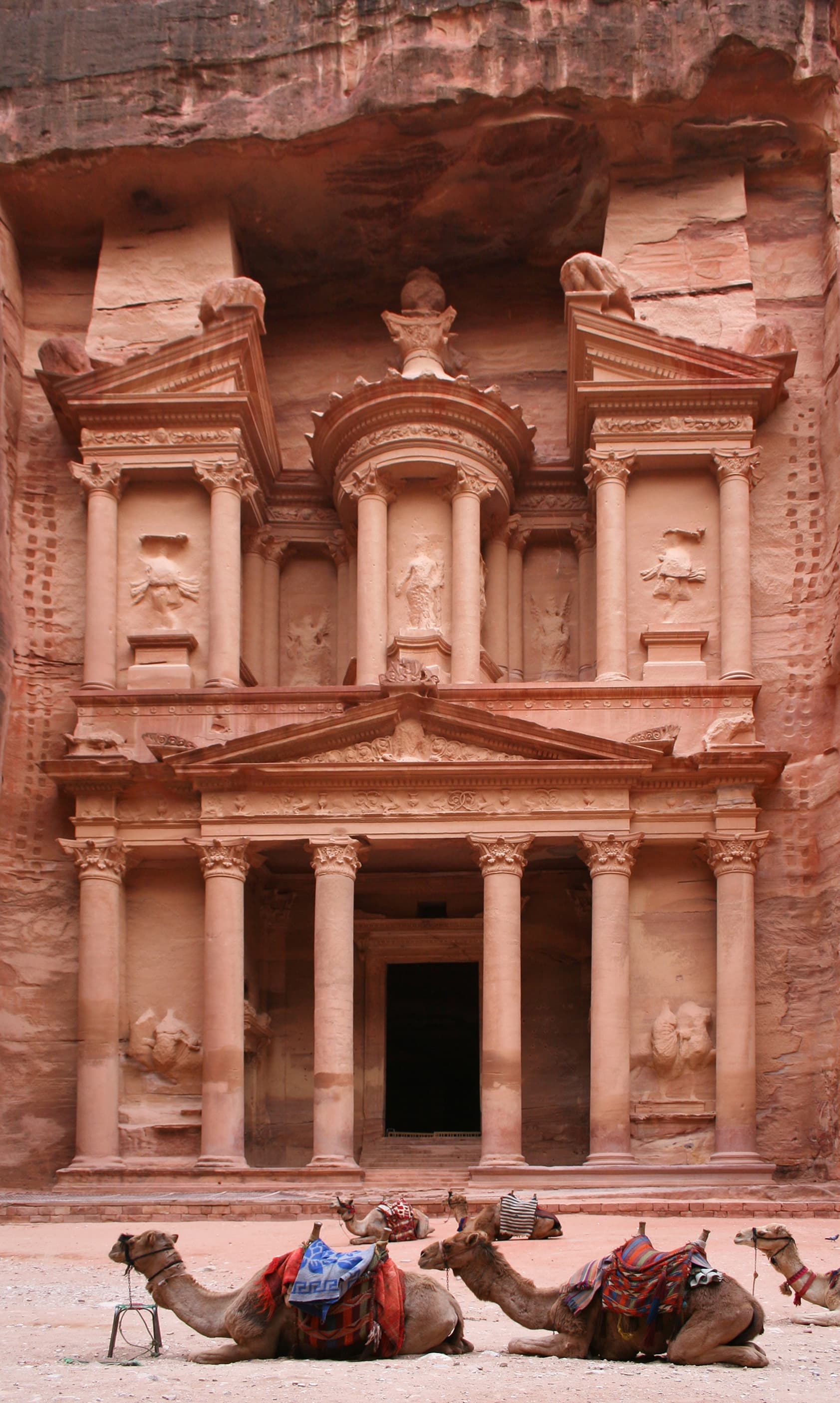
Petra
The Nabataean capital carved into rose-colored sandstone, entered through the narrow Siq canyon to the facade of Al-Khazneh (the Treasury) — one of the most recognizable archaeological sites in the world.
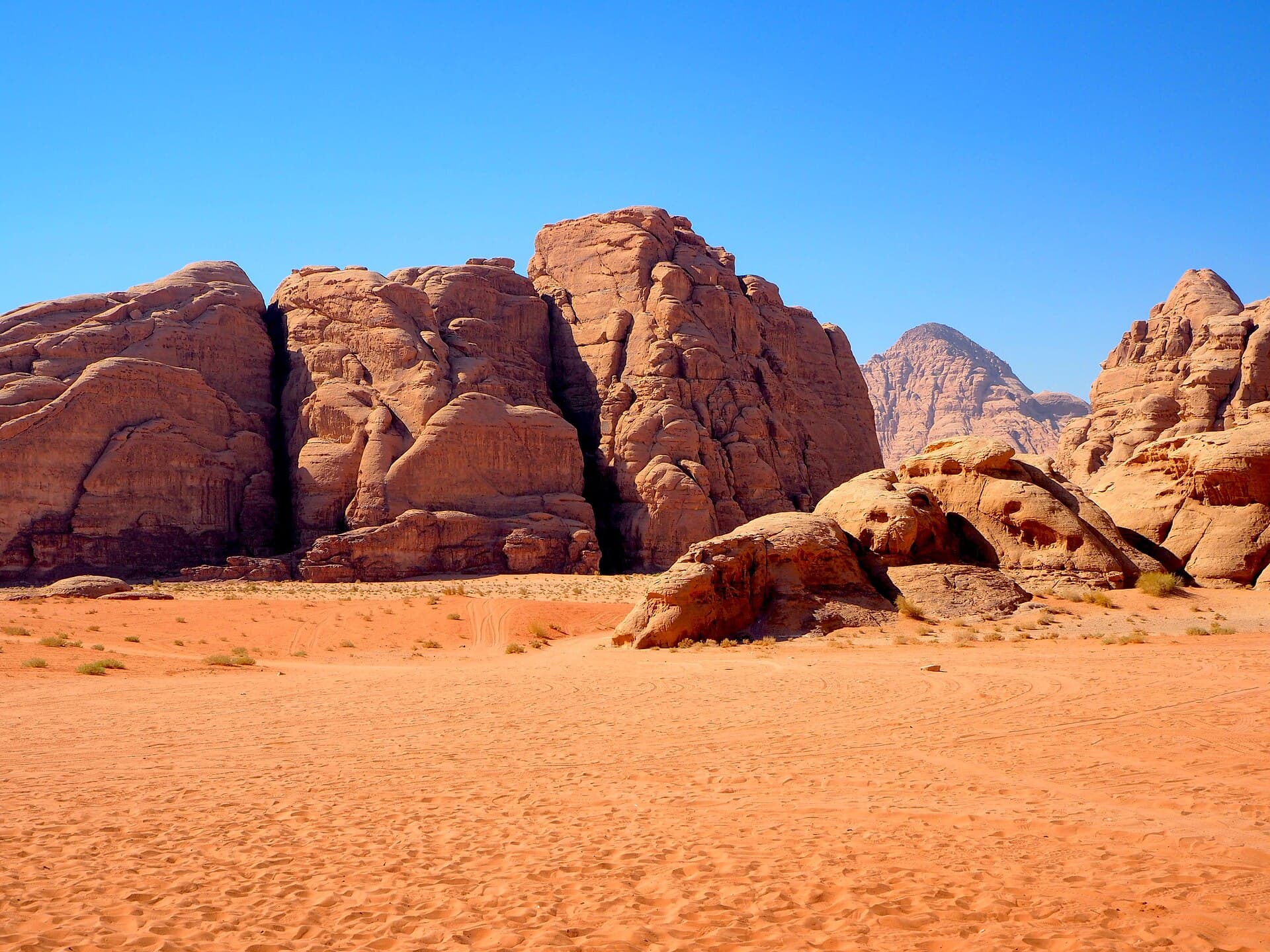
Wadi Rum
A vast desert of red sand and towering sandstone massifs southeast of Petra, long used as a backdrop for its scale and near-total openness.
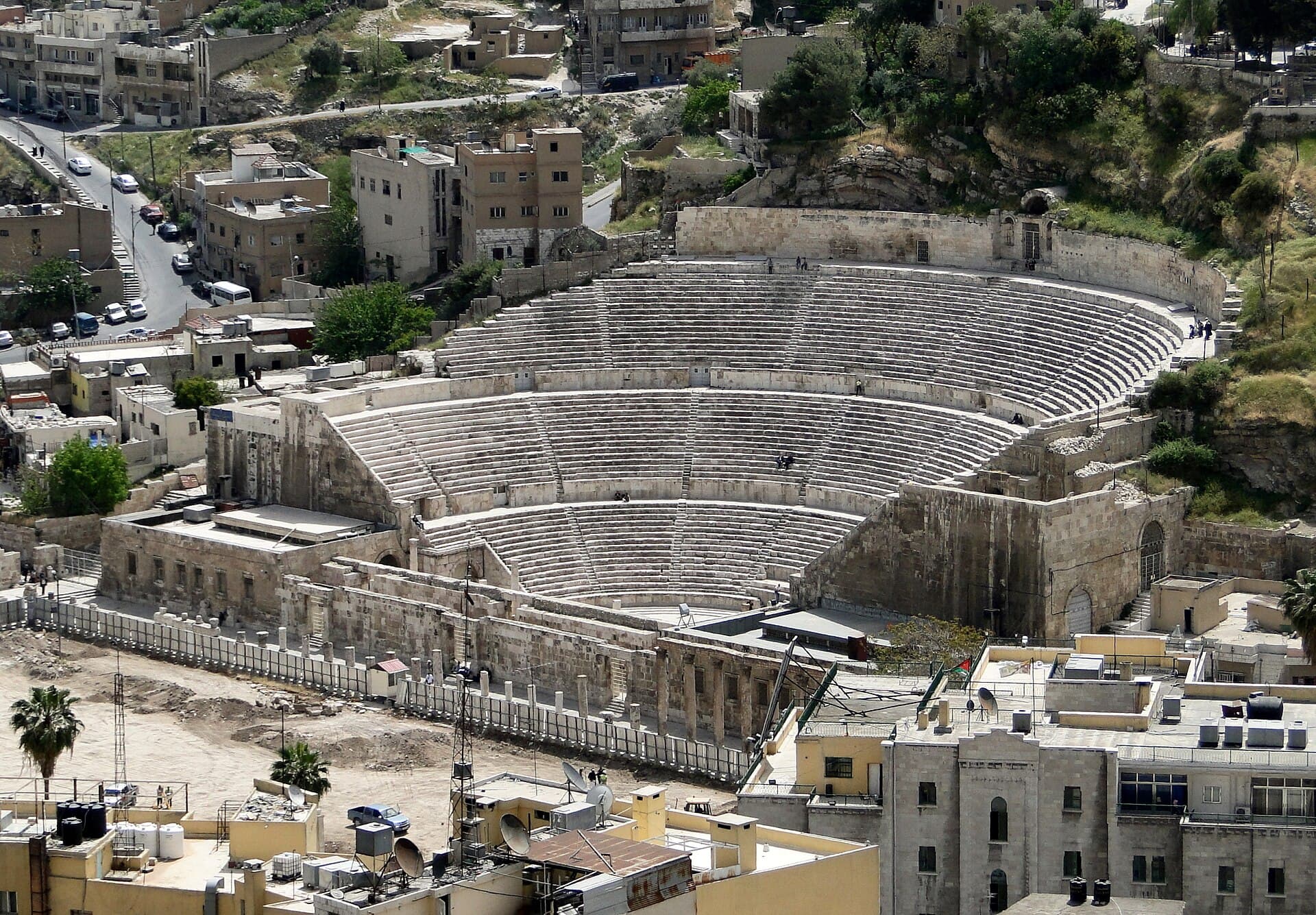
Roman Theatre, Amman
A steep, well-preserved second-century Roman theatre cut into the hillside of downtown Amman, still used for performances and framed by the modern city around it.
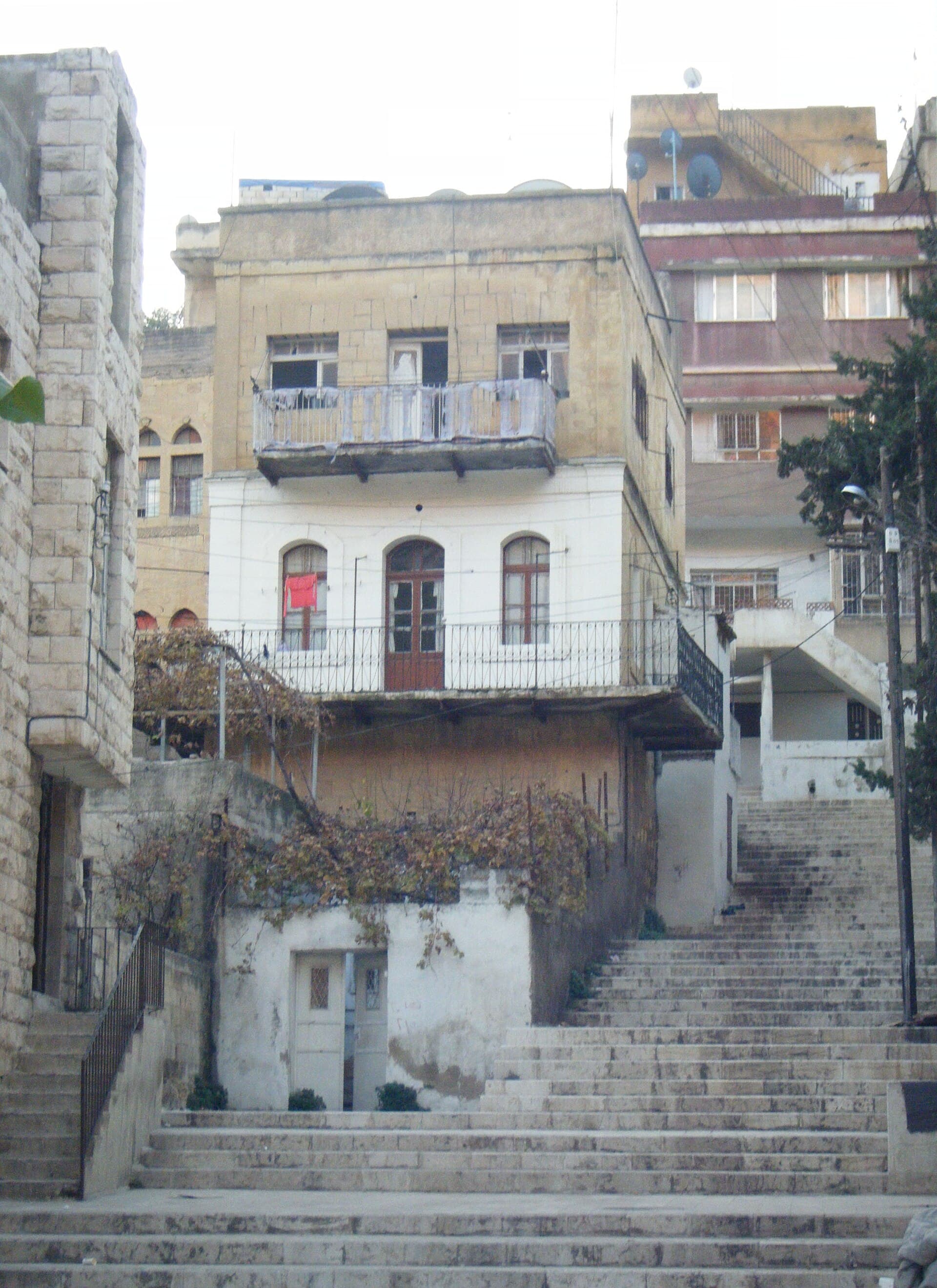
As-Salt
A hill town northwest of Amman built from honey-colored limestone, its Ottoman-era merchant houses and stepped streets largely intact — a UNESCO World Heritage Site less visited than the capital.
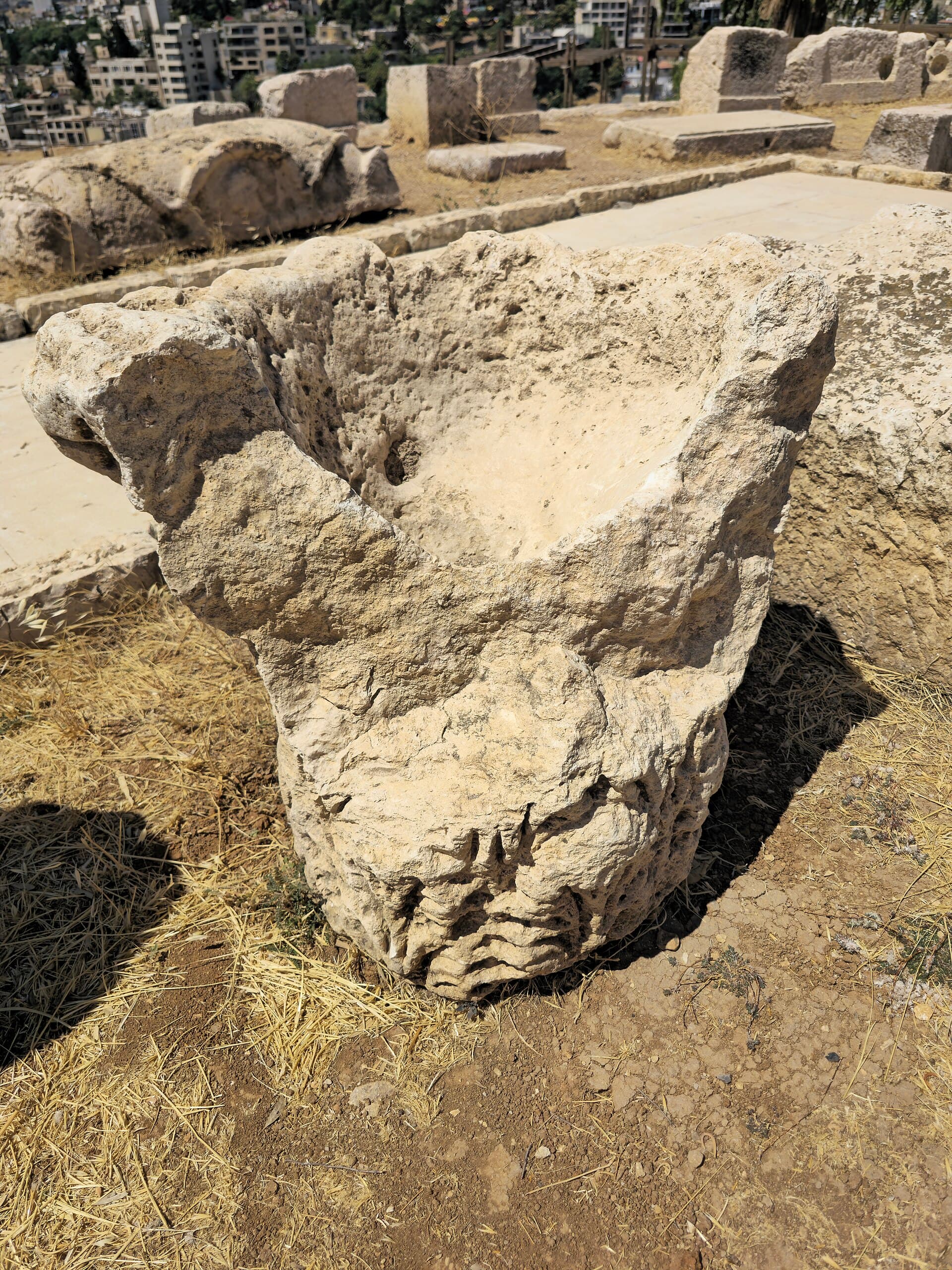
Amman’s layered architecture
The Amman Citadel sits atop one of the city’s seven hills, its Roman, Byzantine, and Umayyad remains overlooking a capital built in white and sand-toned stone across the valleys below.
Production potential
Petra and Wadi Rum offer scale and texture for film and commercial productions built around landscape, the Roman Theatre and Amman Citadel suit documentary and journalism grounded in layered history, and As-Salt’s intact hill-town streets suit photography looking for architecture still in everyday use.
Cultural context
Jordan’s built environment reflects successive eras — Nabataean, Roman, Byzantine, Ottoman — layered across a single landscape, with hill towns like As-Salt preserving a domestic architectural character increasingly rare elsewhere in the region.