Locations
Jeddah
Red Sea light, coral-stone streets, and an open corniche
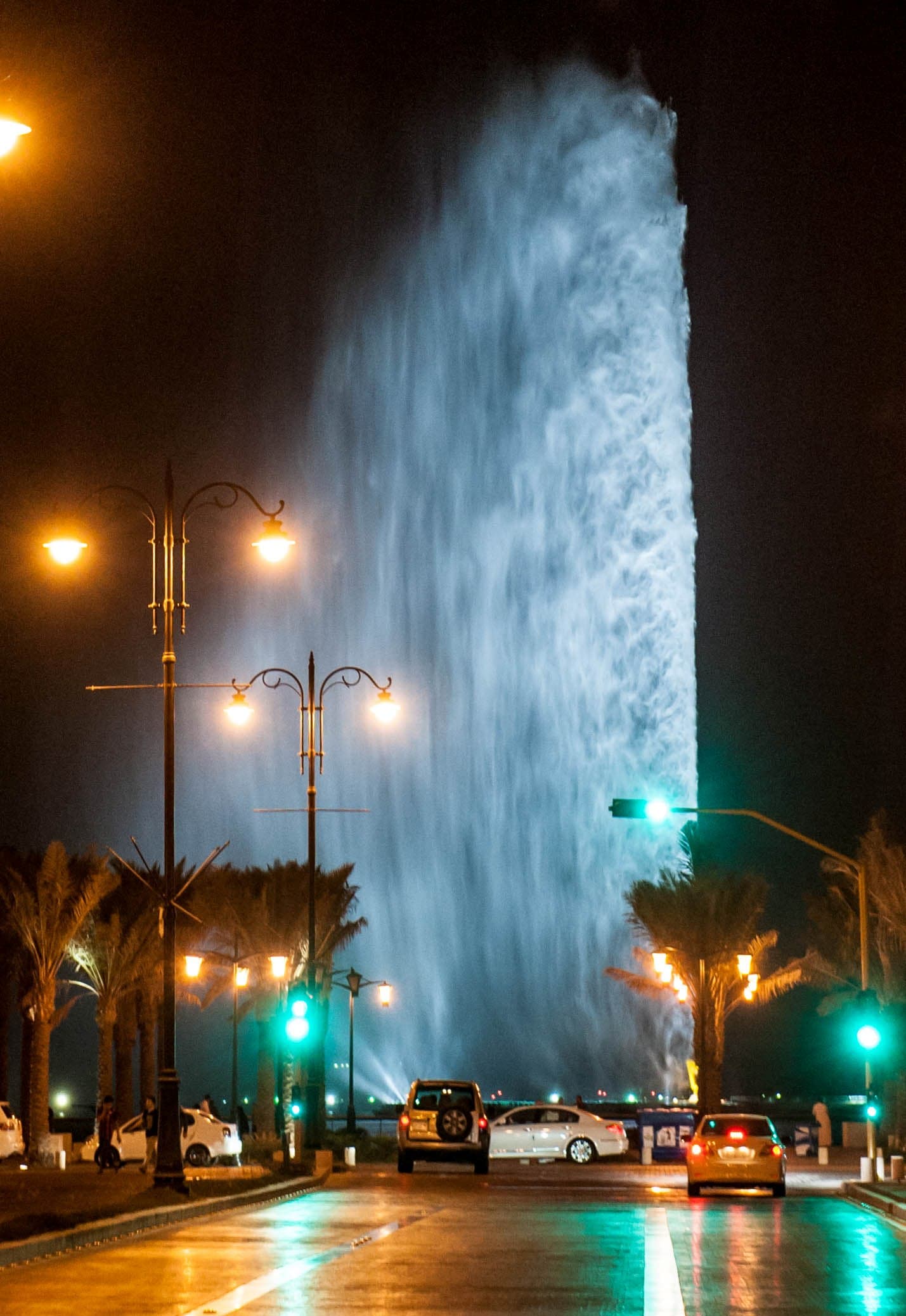
Jeddah is Saudi Arabia’s historic gateway to the Red Sea — a city of coral-stone merchant houses, a long waterfront corniche, and a coastline that opens into some of the clearest water on the peninsula.
King Fahd’s Fountain & the Corniche
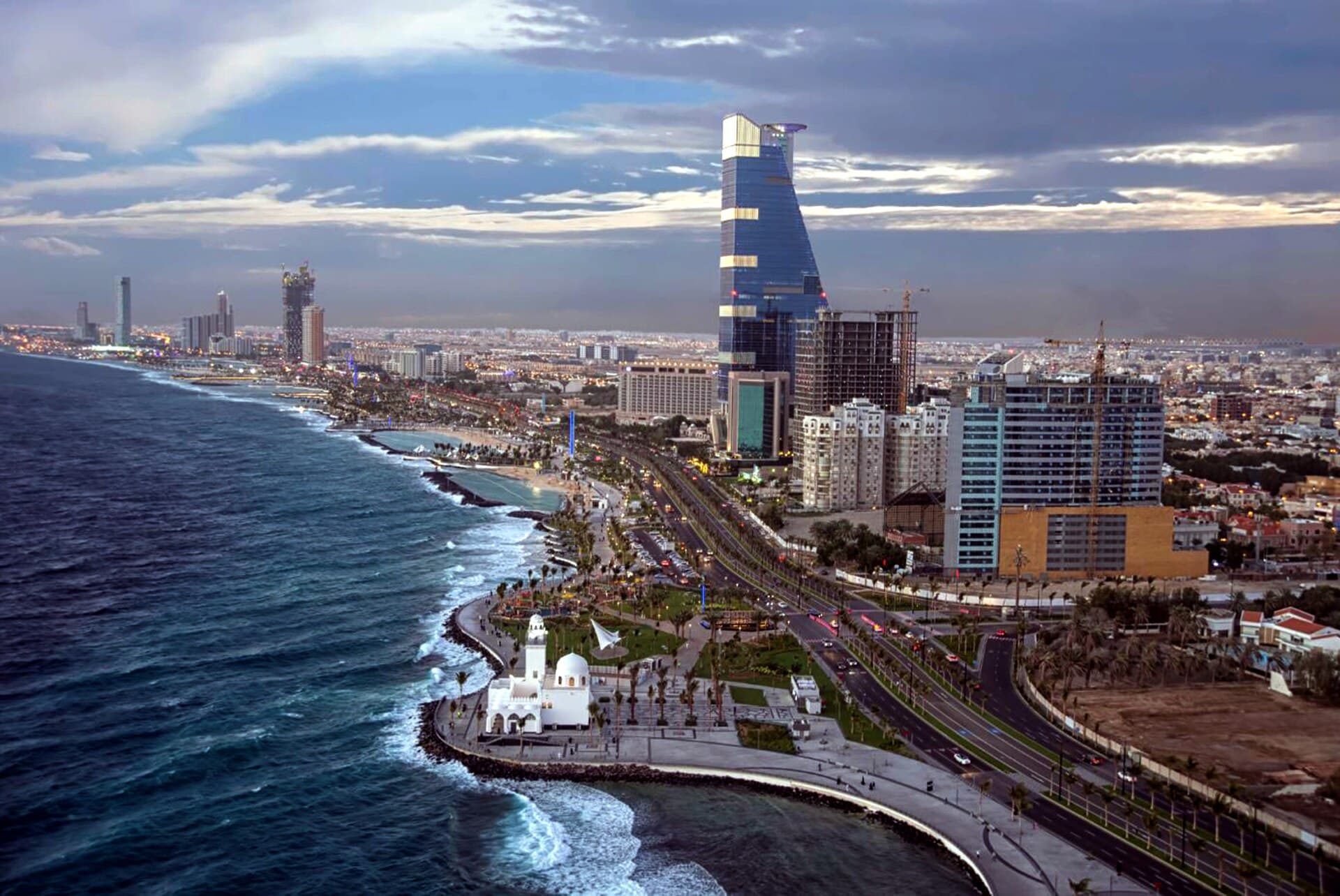
One of the tallest fountains of its kind sits just offshore from a corniche that runs for kilometers along the waterfront — open sightlines, sea light, and public space in one stretch.
Al-Balad
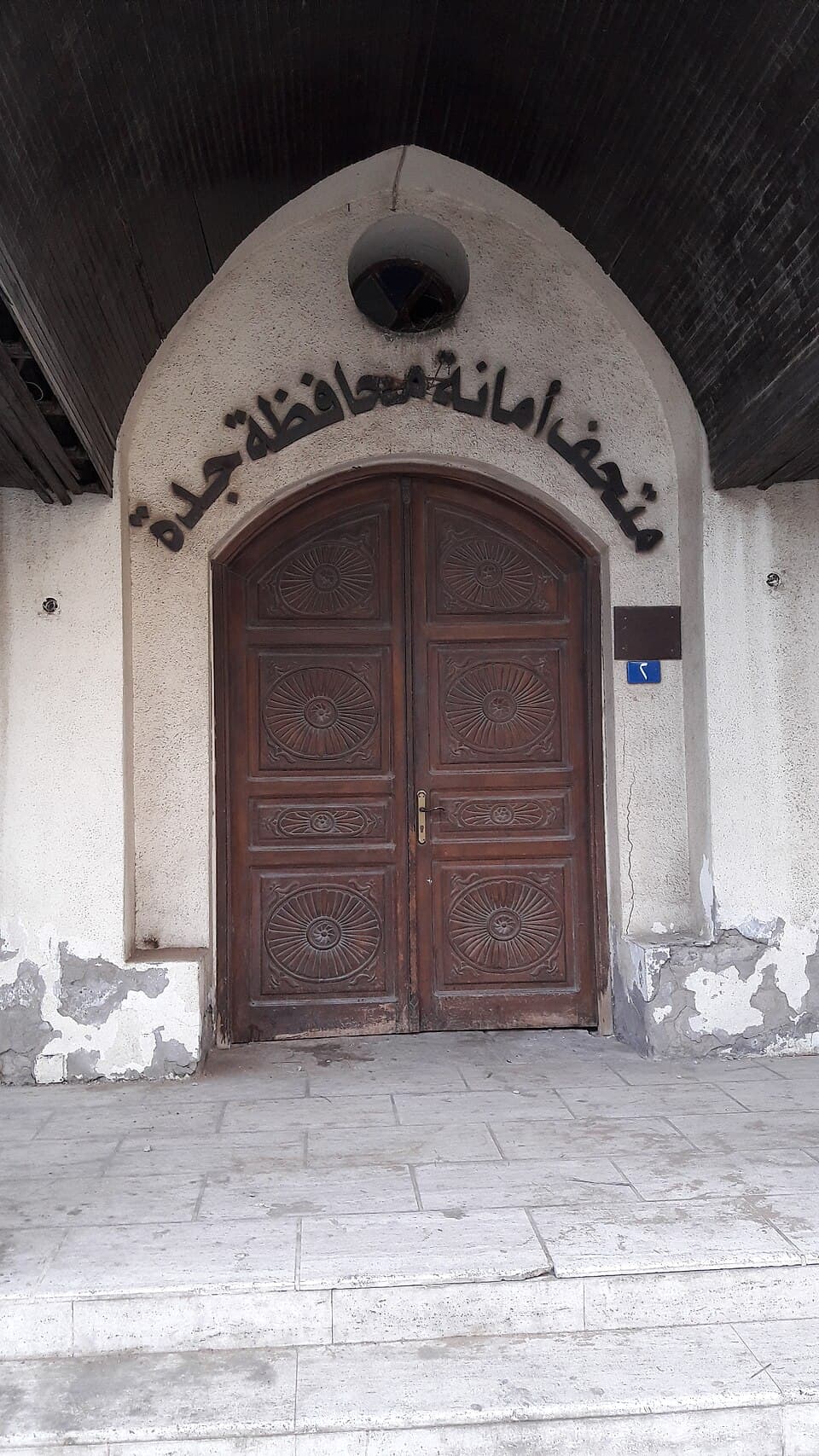
The historic heart of Jeddah, a UNESCO World Heritage Site built from coral stone, with tall merchant houses, carved wooden balconies (rawashin), and narrow pedestrian streets.
Historic courtyard houses
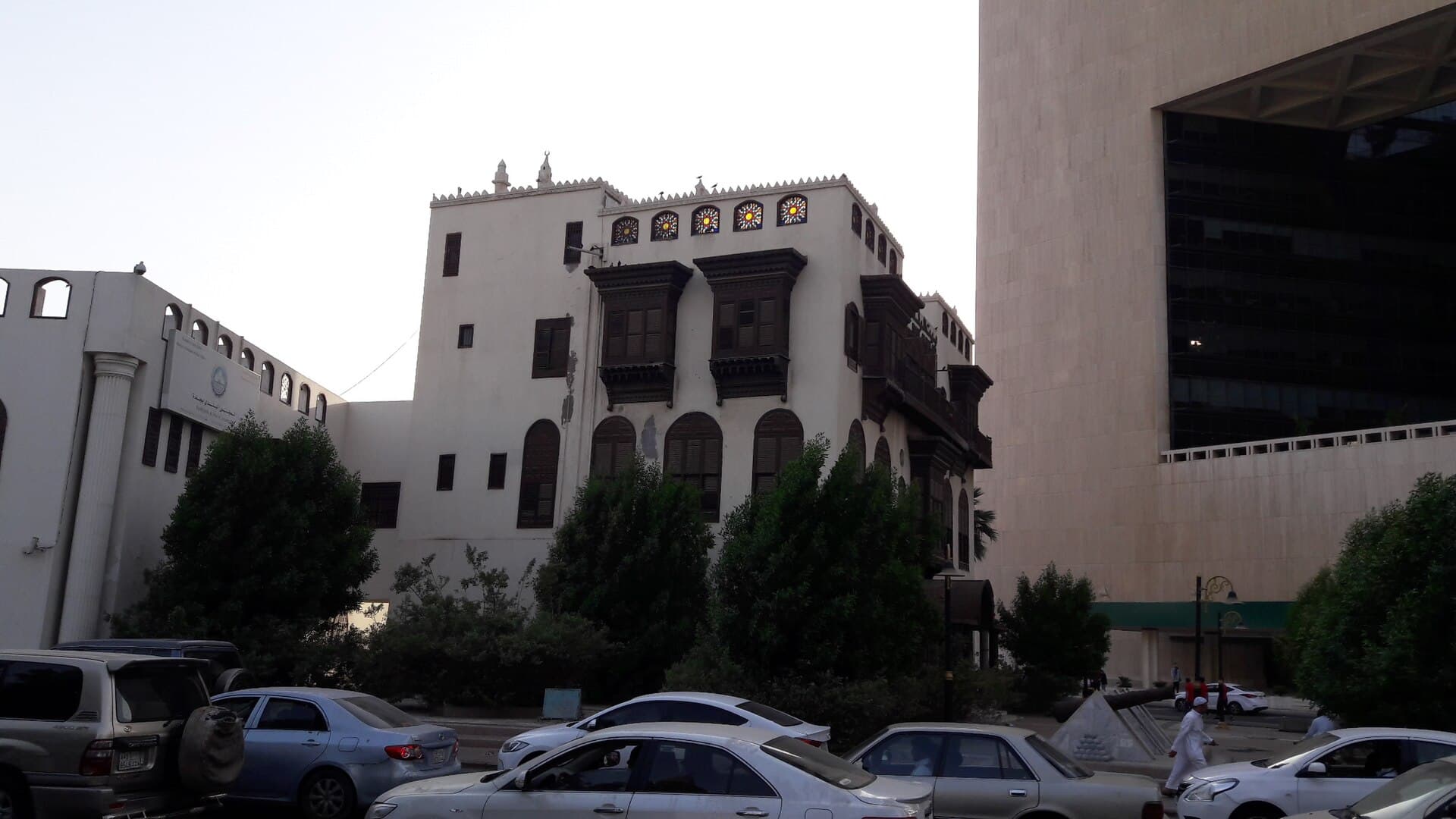
Within Al-Balad, restored merchant houses — among them the well-known Beit Al-Matbouli — preserve the courtyard layouts and wooden latticework typical of the old city’s domestic architecture.
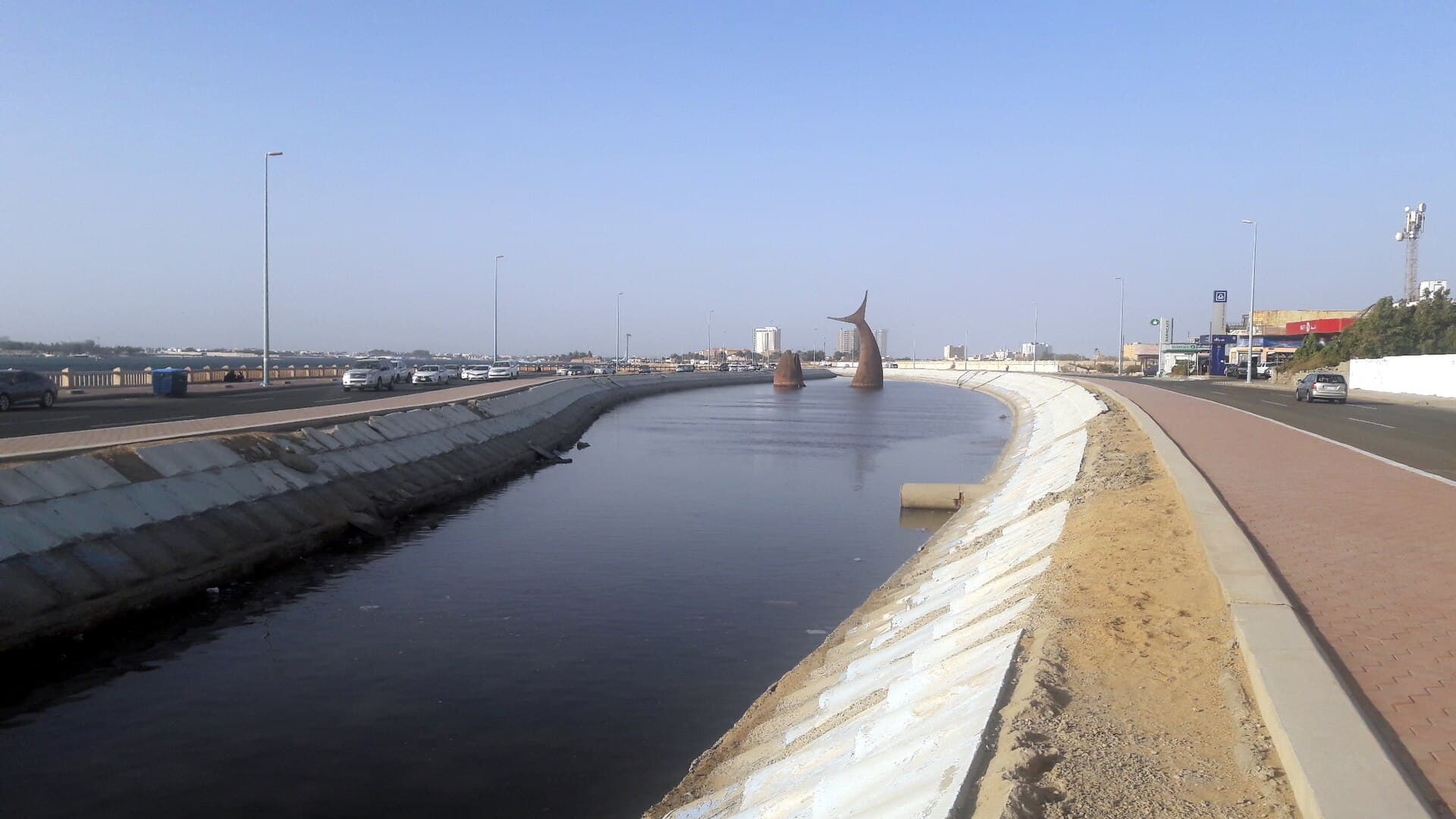
North Obhur
A coastal inlet north of the city where the shoreline opens into calmer water — a quieter counterpoint to the density of Al-Balad and the activity of the corniche.
Production potential
Al-Balad’s coral-stone streets and carved balconies suit documentary, photography, and heritage-focused storytelling, while the corniche and North Obhur offer open water and modern waterfront settings for commercial and brand work — all within a short drive of each other.
Cultural context
Jeddah’s identity is shaped by its history as a Red Sea trading port — a cosmopolitan, maritime character distinct from the interior, visible in Al-Balad’s architecture and in the city’s long relationship with the sea.